



Salem Missionary Baptist Church Restoration

The Charles H. Davis Project for the Restoration of His Church Through the Use of Truth, Redemption, Application of Legal Processes, Christian Faith of the Baptist Variety, and Prayer.
Through the use of truth. Redemption. Application of legal processes. Christian faith of the Baptist variety. And prayer.
Salem: The Restoration
When the Shepherd Walks Away
A shepherd who knows the wolves are inside the fold and leaves anyway hasn't stepped aside. He has abandoned the flock. Scripture calls it what it is: "To him therefore who knows to do good, and doesn't do it, to him it is sin" (James 4:17, WEB).
When wrongdoing is known and fraud is suspected, silence isn't innocence. When the responsibility is placed in his hands, saying "it's not my problem" doesn't make it go away. Jesus warned about the hired hand who sees the wolf coming and runs, because he doesn't care for the sheep (John 10:12–13).
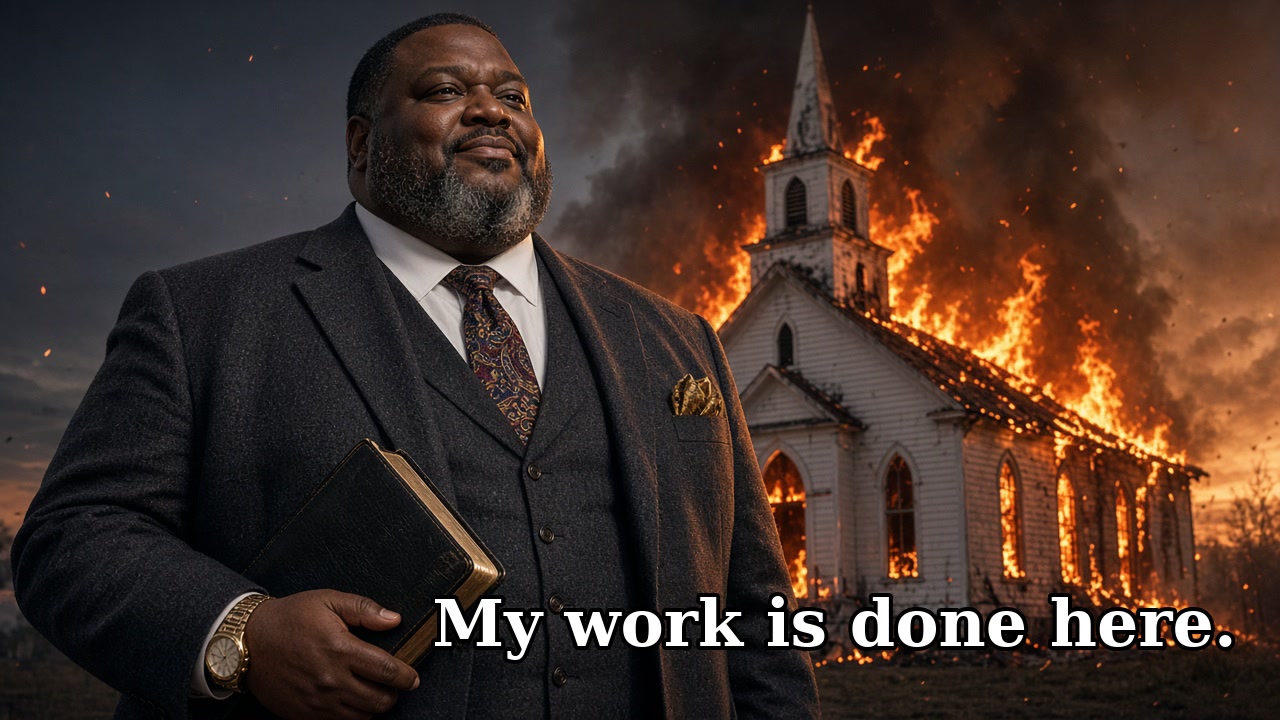
A faithful pastor brings things into the light, hands things over in order, and protects the people God gave him. One who leaves the church in ruins and moves on to the next has only one line left to say: "My work is done here."
The Case Against the Shepherd Who Walked Away
A biblical and legal argument (not legal advice)
1. The facts. A pastor knew the church had an improperly seated board and that illegal actions had been taken, and he suspected large-scale fraud. He didn't correct any of it. The California Secretary of State's records then showed him as the only executive officer of the religious corporation. He announced he would work elsewhere and wanted nothing to do with the church, leaving it to whoever was left.
2. He had the duty. Responsibility follows the office, not the person's preference. Under California's Nonprofit Religious Corporation Law (Corporations Code §9110 and following), an officer owes the corporation duties of care and loyalty. Being the only recognized officer means no one else was positioned to act. Saying "I'm not responsible" doesn't remove a duty the law has already placed on him.
3. He knew. The question isn't whether he knew of the wrongdoing; he did. Scripture judges knowing inaction plainly: "To him therefore who knows to do good, and doesn't do it, to him it is sin" (James 4:17, WEB).
4. Walking away was abandonment, not resignation. A proper exit means formal notice, an orderly handover, and putting what he knows on record. Leaving the corporation with no one in charge, while fraud he suspected went unaddressed, is what Jesus described: the hired hand who "sees the wolf coming, leaves the sheep, and flees" because he "doesn't care for the sheep" (John 10:12–13). Ezekiel 34 likewise condemns shepherds who failed to care for or protect the flock.
5. Legal exposure. On the civil side, a sole officer who knows about fraud and does nothing can be personally liable for breaching his duties, and members or directors may sue him. On the criminal side, leaving is not a crime by itself, but exposure arises if he took part in or benefited from the fraud (embezzlement or theft, Penal Code §503 and §487), helped hide it (accessory after the fact, §32), destroyed or hid records (§135), or knowingly filed false information with the Secretary of State (§115). Whether any of these apply depends on facts a California attorney would need to examine.
6. Conclusion. Biblically, he failed in his duty as a shepherd. Legally, he left himself exposed to civil liability and possibly more, depending on what he did and what he hid. The way back is the same in both cases: bring it into the light, file a proper resignation, put what he knows in writing, and report the suspected fraud to the authorities. Until he does that, his only defense is the line that sums up his conduct: "My work is done here."